Wayne Kaumualii Westlake
In ʻōlelo Hawaiʻi (Hawaiian language), the word “huli” evokes many layered and contextually dependent
meanings.
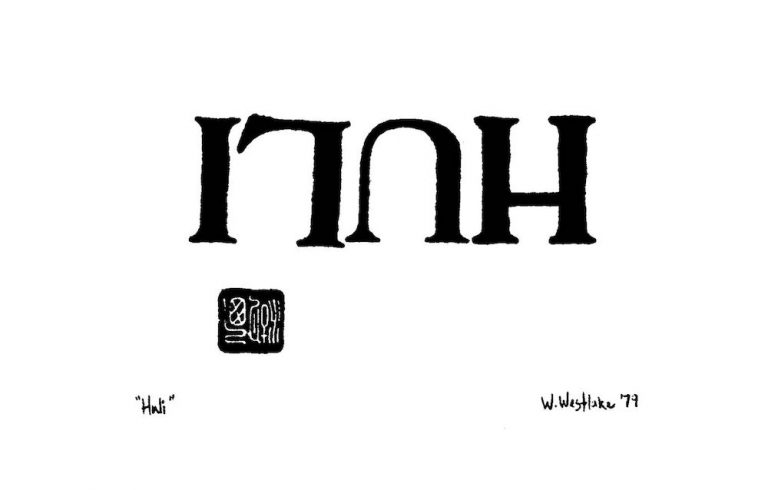
In ʻōlelo Hawaiʻi (Hawaiian language), the word “huli” evokes many layered and contextually dependent
meanings.
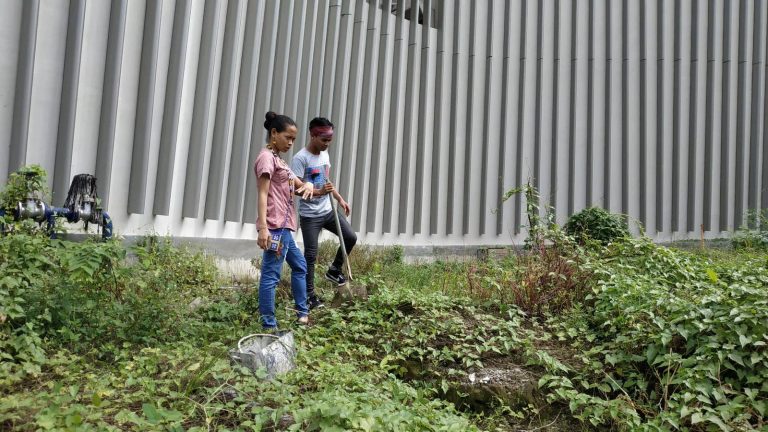
The project Omehen (which means “harvest” in Manobo Talaingod, the Indigenous language of the Mindanao
region in the south of the Philippines) was conceived by Alfred Marasigan, Karl Castro, and Guelan Luarca
in collaboration with the Lumad Indigenous community in exile in Manila. Following the bombing of Lumad
schools during the ongoing armed conflict in Mindanao, the Lumad people found refuge in various academic
institutions in Manila, including the Ateneo de Manila University, where the artists teach.
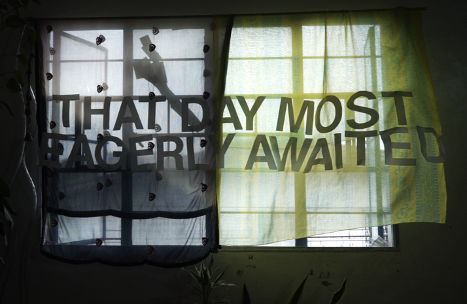
Mark Salvatus’ That Day Most Eagerly Awaited presents and explores the home as a thriving ecology
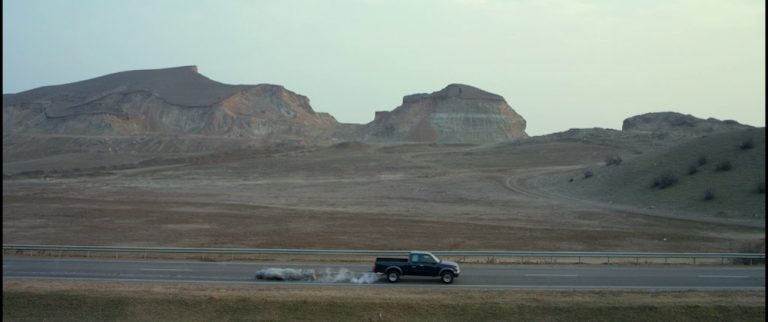
In Vajiko Chachkhiani’s video Winter Which Was Not There, a man watches a monumental concrete sculpture
being hoisted out of the sea.
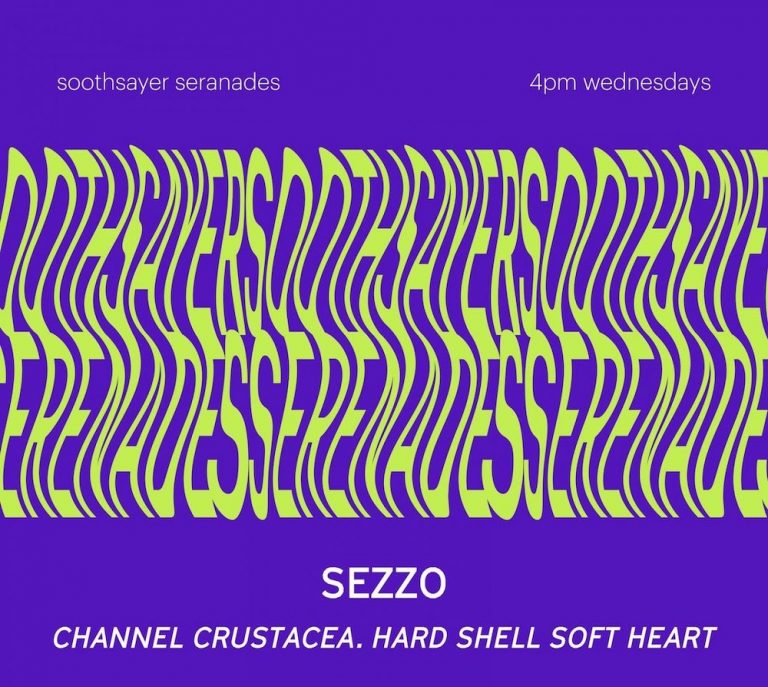
Amrita Hepi is a dancer and choreographer with an interdisciplinary practice
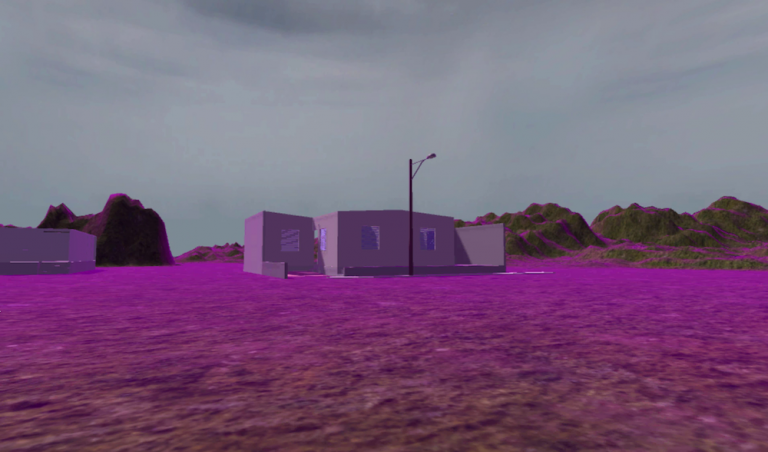
For Construction of the Cities of Memory, Ernesto Bautista interviewed some of his closest friends, asking
them about the first houses they lived in, or the first houses they lost. Based on these oral histories, the artist
created a 3D rendering of a virtual city with all the houses his friends remember, houses that no longer exist
for them, but exist again in this new alternative reality.
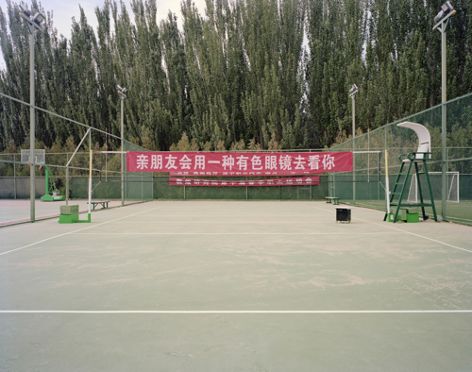
Hengfu banners are traditionally hung in public spaces in China to communicate messages of inspiration or
motivation.

In this documentary, the directors set out on a journey through remote towns and villages in Brazil in search
of crafts and professions that are near extinction.
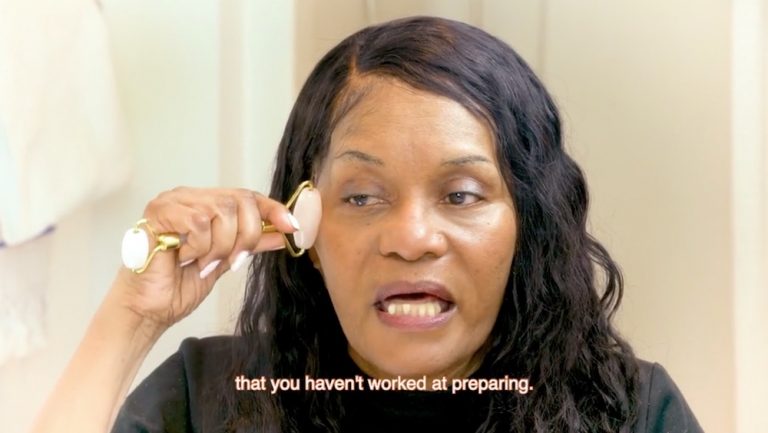
The points of departure for Ilana Harris-Babou’s work are contemporary forms of digital media and the ways
we insatiably consume them—think of the glut of home improvement and cooking shows and beauty tutorials
made available instantaneously online daily. Via these numerous digital interfaces, our “realities” of daily life become reinforced through personally-constructed algorithms.