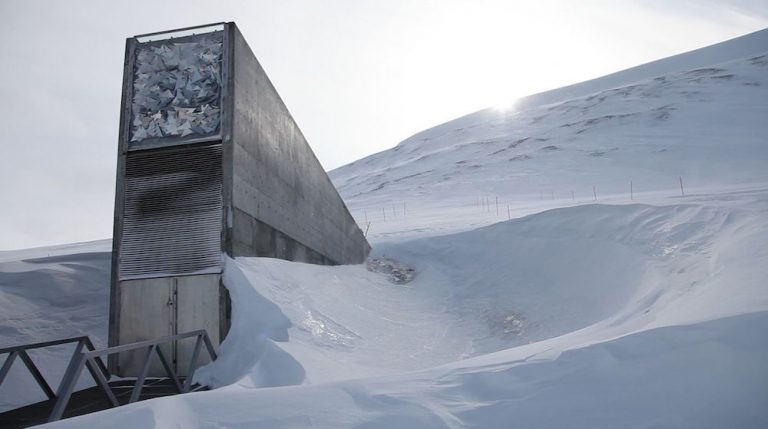
Yu Liu
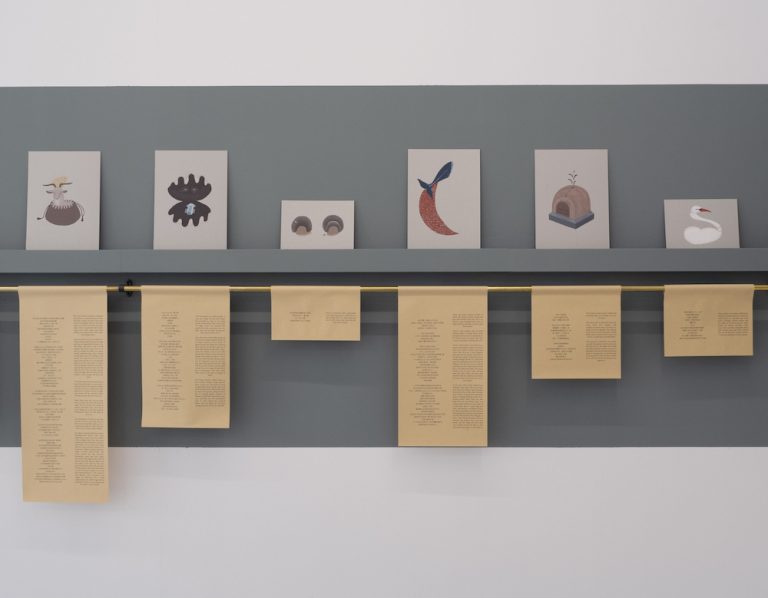
The work Cabinet of Curiosities by Taiwanese artist Yu Liu is a four-year study and extended interpretation of
Rumphius, a biologist who traveled to Ambon Island, Indonesia, with a Dutch East India Company merchant
ship in the 17th century
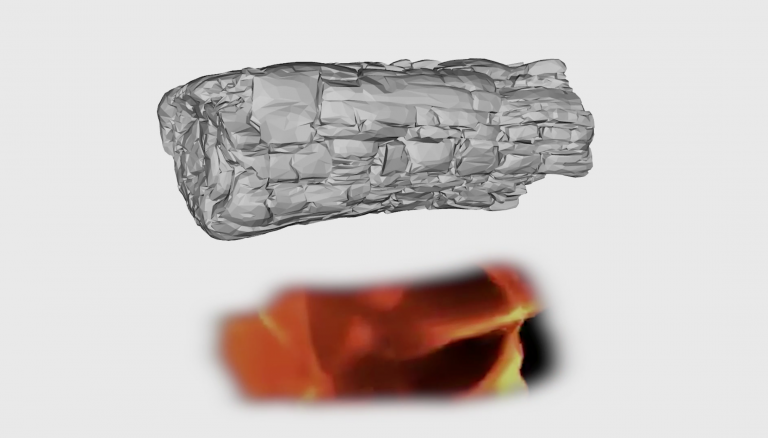
The last time I saw Peter Morin in person he handed me a small animal hide rattle and instructed me to make some noise. What can be accomplished by shaking a rattle and shouting? How about undoing the effects of hundreds of years of colonial violence? The venue for the rattle shaking was the Vancouver Art Gallery, a former provincial courthouse that oversaw laws that disenfranchised Indigenous peoples, Black folks, Asian folks, Queer folks, and women, and criminalized their culture(s), languages, and how they raised their children.
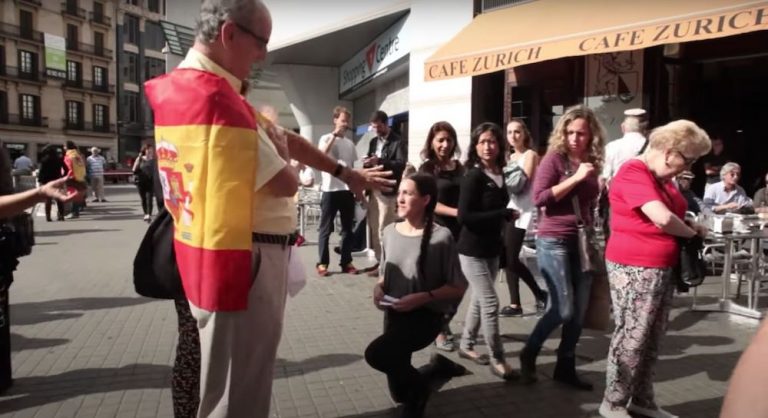
On each October 12 from 2012 and 2019, the artist and antiracist activist Daniela Ortiz carried out a series of actions. Set on the date of the so-called “discovery” of America, which Spain marks to celebrate its National Day, the actions reveal the imperial substrate of Spanish identity and promote counternarratives that make visible the silenced experience of the colonized peoples.
This selection of videos brings together three actions c
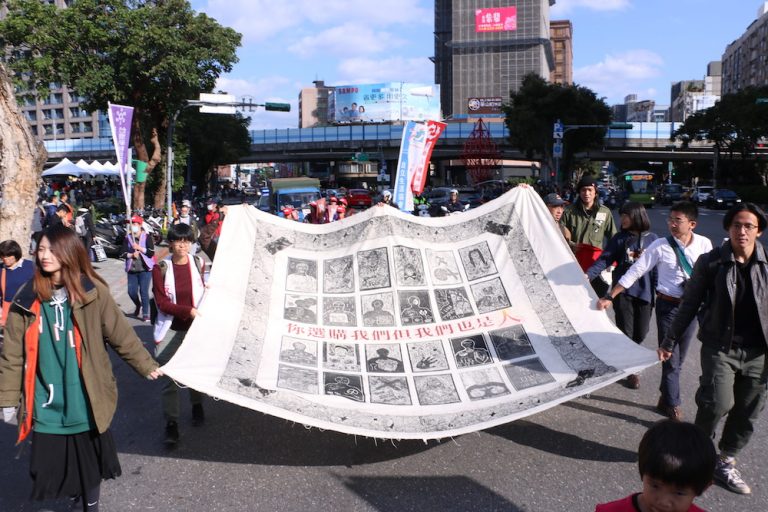
皆積極進入社區,並參與社會運動。
You Purchase Us But We Are Human Beings was a collaboration between the Print & Carve Dept. and the Taiwan International Workers’ Association (TIWA), inviting migrant workers to create a piece of work together through a workshop and a migrant workers’ march in the street with the people during late 2019.
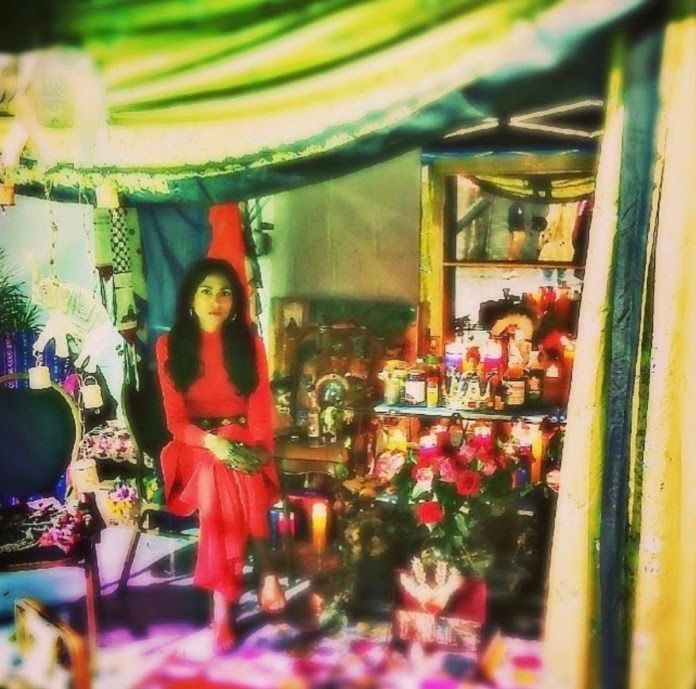
In January 1811, eight years after France was forced by the loss of Haiti, its most profitable colony, to sell Louisiana to the United States, hundreds of people held captive on plantations along the Mississippi River of southeast Louisiana revolted against the planter class.
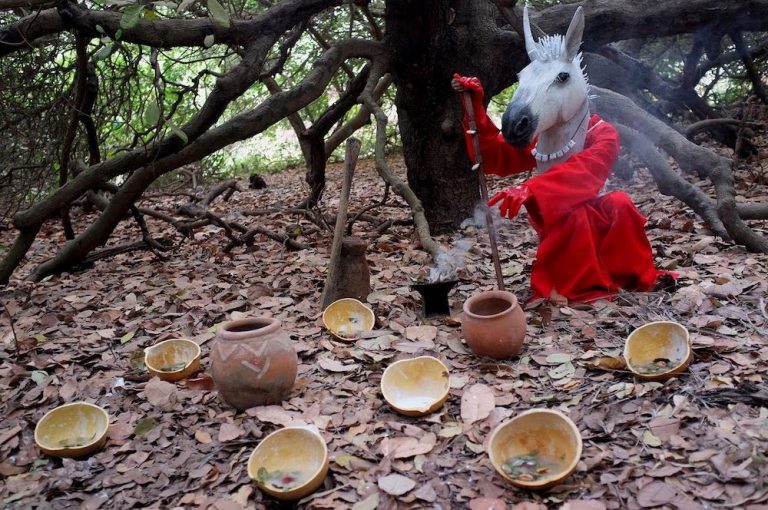
This new series of photographs by Ibrahima Thiam is based on the mythology of the white horse-man, Maam Ndeuk Daour Mbaye, the protector of the city of Dakar and its twelve Penc, the traditional villages that were owned by the Lébou community and decimated by French colonizers in order to build a modern city.
Since the late 19th century, with the development of capital, transportation, and internet technologies, and the rapid accelerated pace of globalization, the economical, cultural, and knowledge transmission between countries has become increasingly tight, and cross-border movement has become the norm for citizens of the world.
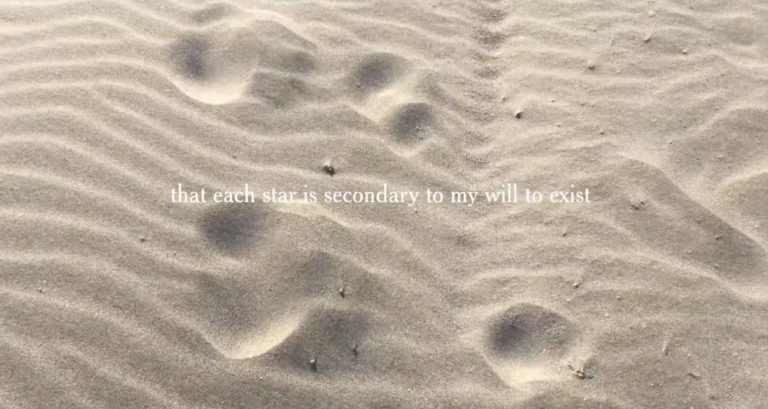
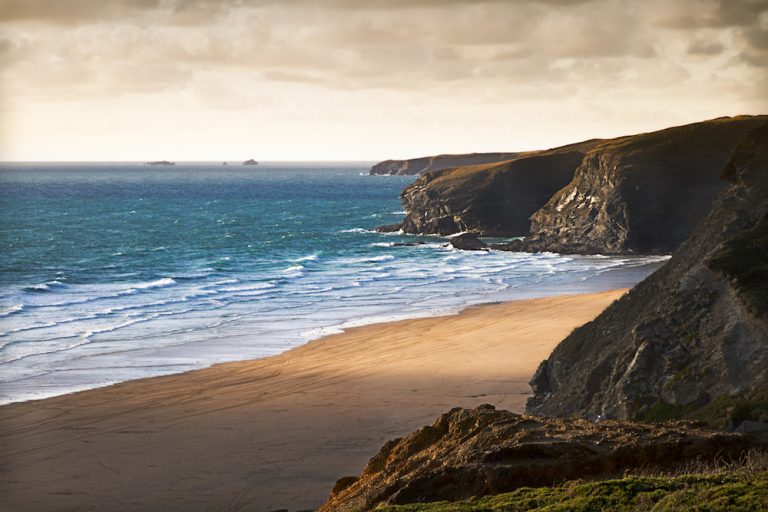
Demian DinéYazhi ’́ s An Infected Sunset consists of excerpts from the artist’s poem of the same name, layered over moving images of alternating bodies of sand and water.
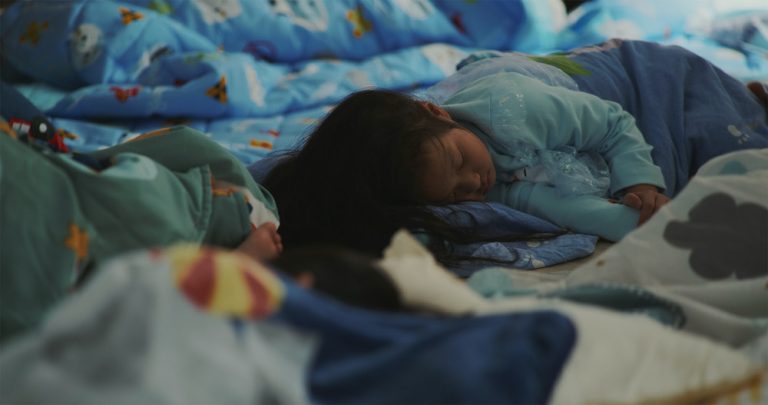
In her work The Sleep Building, artist Yen-Yen Ho proposes a method of interpreting tidal rhythms through human brain wave transformations, using “sleepwalking disorder,” a physiological response that often occurs during the transition from childhood to adolescence, as a metaphor for human consciousness and social relationships in this era, comparing it to the tidal waves on the eve of the full moon, the disorderly energy, and repetitive behaviors of human beings in distress. In this exhibition, a part of the work is presented in the form of video and drawing installation, in which the reconstructed text is interspersed in the furniture pieces, while watching the ebb and flow of a preschooler’s breath mingling with the sound of waves in his sleep.